Deadhead Brush Typeface for Modern Web Design
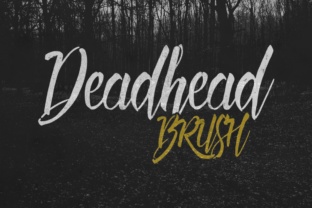
When you are building a digital experience that demands immediate personality, Deadhead Brush is a stunning script typeface that is crafted from hand-lettering using a traditional paint brush. As a web designer who spends hours tweaking kerning and adjusting line heights, I know that finding a font which bridges the gap between raw artistic expression and functional usability is rare. This Script Handwritten style offers exactly that balance, providing the organic warmth of ink on paper while maintaining enough structure to function within modern interface constraints. It is not merely a decorative element; it is a strategic design asset that can elevate brand tone and guide user attention effectively.
Deadhead Brush for Hero Sections and Landing Page Headers
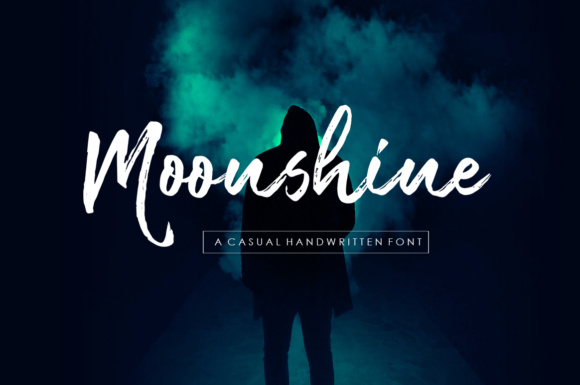
The first impression of any website hinges on its typography, and Deadhead Brush excels in high-visibility areas like hero sections. Its rough and jagged edges gives the font a natural feeling only found through hand br, creating an immediate sense of authenticity that resonates with users scrolling through crowded feeds. When applied to a landing page header, this typeface signals creativity and human touch, distinguishing your brand from sterile corporate templates. However, because of its distinct texture, it performs best as a display font rather than body text. Use it for large, impactful headlines where legibility is supported by ample size and spacing. For instance, a boutique online store selling artisanal goods might use Deadhead Brush for the main headline "Handcrafted with Care," pairing it with a clean sans serif font for product descriptions to ensure readability remains uncompromised.
Deadhead Brush for Call-to-Action Buttons and Short Phrases
In conversion-focused layouts, every pixel counts toward guiding the user’s eye toward action. While script fonts are often avoided in button design due to legibility concerns at small sizes, Deadhead Brush can work exceptionally well for short phrases or primary calls-to-action when used strategically. The key lies in restraint. Instead of filling entire buttons with the script, consider using it for the primary action verb or a short tagline adjacent to a standard button. For example, a SaaS founder launching a new feature might use Deadhead Brush for the phrase "Launch Your Vision" above a clean, rectangular button. This creates a visual hierarchy where the emotional hook (the script) draws the user in, and the functional element (the button) provides clarity. On mobile screens, ensure the contrast is high against both light and dark backgrounds to maintain accessibility standards.
Deadhead Brush for Brand Identity and Digital Assets
Consistency is the cornerstone of a strong online identity, and integrating Deadhead Brush into your brand kit requires thoughtful application across various platforms. Whether you are designing social media graphics, email newsletters, or digital ad banners, this font adds a layer of premium quality that generic scripts lack. The jagged edges evoke a sense of effort and craftsmanship, which builds trust with audiences looking for genuine brands. For creative entrepreneurs, such as photographers or freelance illustrators, incorporating Deadhead Brush into portfolio sites reinforces their artistic credibility. When paired with minimalist UI elements, the font becomes the star without overwhelming the interface. Remember to check the included styles and alternates before finalizing your design assets; having multiple weights or ligatures allows for greater flexibility in layout rhythm and ensures the font adapts smoothly across different device resolutions.
Deadhead Brush for Blog Graphics and Content Sections
Even in content-heavy environments like blogs or educational course pages, typography plays a crucial role in engagement. Deadhead Brush can be utilized effectively for pull quotes, section dividers, or subheadings that break up long blocks of text. By introducing a handwritten element into a structured layout, you create visual interest that prevents reader fatigue. For example, a coaching website might use Deadhead Brush for motivational quotes embedded within article sections, adding an inspirational tone that aligns with the brand’s voice. However, avoid using it for lengthy paragraphs or navigation menus, as the irregular stroke widths can hinder scanning behavior. Instead, reserve it for accent text that supports the main narrative. This approach respects the user’s need for quick information retrieval while still delivering the aesthetic appeal of a Script Handwritten typeface.
Deadhead Brush Font Pairing Strategies for Web Design
One of the most critical aspects of working with display fonts is knowing how to pair them correctly. Deadhead Brush, with its bold and expressive character, demands a neutral partner to balance its intensity. A geometric sans serif font works beautifully for body copy, providing the necessary clarity and neutrality that allows the script to shine. Alternatively, for editorial-style websites, pairing Deadhead Brush with a classic serif font can create a sophisticated, magazine-like aesthetic. When selecting these pairs, consider x-height and weight distribution. The goal is to create a harmonious relationship where neither font competes for dominance. Test these combinations across various screen sizes, especially on responsive layouts, to ensure that the visual hierarchy remains intact whether viewed on a desktop monitor or a smartphone. Proper font pairing enhances professional perception and contributes to a cohesive user experience.
Deadhead Brush Licensing and Commercial Usage Considerations
For web designers and agencies, understanding licensing terms is essential before deploying any commercial font. Deadhead Brush is designed for versatile use, but you must verify if the license covers web embedding, client projects, and digital template sales. Most premium fonts offer specific tiers for personal use versus commercial applications. Ensure that your project scope—whether it involves a one-time website build, a recurring subscription service, or a mass-market digital product—aligns with the permitted usage rights. Investing in proper licensing protects your business from legal risks and supports the typographer who created the asset. Additionally, confirm the availability of webfont formats (such as WOFF2) to optimize load times and performance. By choosing a high-quality, properly licensed typeface like Deadhead Brush, you invest in the long-term integrity and professionalism of your digital products.