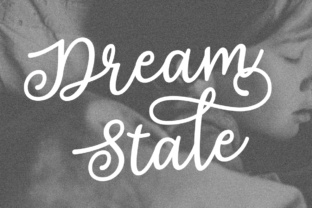
Dream State: A Stunning Script Handwritten Font for Modern Designers
I was sitting at my desk late last Tuesday, staring at a blank Canva canvas, trying to finalize the branding for a new line of artisanal soy candles. The product itself was simple—clean lines, matte black jars, and minimalist labels—but the typography felt flat. It lacked that soulful, personal touch that makes customers stop scrolling on Etsy or Instagram. That’s when I pulled up Dream State, a stunning script font that has a dreamy quality. Within minutes, the entire mood of the project shifted. This beautiful handwritten calligraphy styled font is a great font for use in nostalgic and modern designs, bridging the gap between rustic charm and contemporary elegance.
As a digital creator who spends hours testing typefaces on mockups before committing to production, I don’t just look for legibility; I look for emotional resonance. After spending an afternoon designing everything from wedding invitation suites to printable wall art using this typeface, I’m ready to share how Dream State can elevate your creative projects. Whether you are a seasoned graphic designer or a hobbyist maker with a Cricut machine, understanding the nuances of this Script Handwritten collection is key to unlocking its full potential.
Dream State for Candle Labels and Boutique Packaging Design
The first thing I tested with Dream State was a set of product labels for small-batch skincare and candle businesses. One of the biggest challenges in packaging design is balancing decorative flair with essential information. When I applied Dream State to a square label, the fluidity of the letters immediately caught the eye. The font carries a premium feel without being overly ornate, which is crucial for brand identity in the beauty and home goods sectors.
I found that Dream State works exceptionally well as a display font for short phrases like "Hand Poured," "Lavender Vanilla," or "Gift Set." Because it is a Script Handwritten style, it adds a layer of authenticity that resonates with consumers looking for handmade, artisanal products. However, I learned through trial and error that it should not be used for dense text. For ingredient lists or usage instructions, I paired Dream State with a clean sans serif font. This combination ensures that while the brand name pops with personality, the fine print remains readable. If you are creating physical tags or boutique packaging, using Dream State for the main title creates an instant perception of higher value, encouraging customers to view your product as a luxury item rather than a commodity.
Dream State for Wedding Invitations and Elegant Stationery
Wedding stationery is perhaps where this typeface truly shines. I recently mocked up a full bridal suite—including save-the-dates, RSVP cards, and a welcome sign—using Dream State. The "dreamy quality" mentioned in its description is not just marketing fluff; the ligatures and swashes flow naturally, mimicking the work of a skilled calligrapher. This is vital for editorial design in the wedding industry, where couples expect a high level of sophistication.
When designing invitations, readability is paramount, especially for older guests or those with visual impairments. I discovered that Dream State is best suited for names, titles, and decorative borders rather than long paragraphs of body text. For the actual event details, I recommended pairing it with a simple serif font or a light sans serif font. This contrast creates a harmonious hierarchy that guides the reader’s eye. Furthermore, because Dream State is available in various weights and styles, you can create a cohesive look across different pieces of stationery. Using it for the couple’s names on a large welcome board gives a striking visual impact, while using a lighter weight for table numbers maintains elegance without overwhelming the space. For any invitation designer, adding Dream State to your toolkit means offering clients a versatile, high-end aesthetic that feels both timeless and current.
Dream State for Digital Printables and Planner Pages
For creators selling digital downloads, such as planners, journals, and wall art, the versatility of Fonts like Dream State is a game-changer. I tested the font by designing a series of motivational quote prints and daily planner headers. The handwritten nature of the script adds a personal, encouraging tone that fits perfectly into lifestyle and wellness niches. Unlike rigid block letters, Dream State feels approachable and friendly, which helps build a connection with the buyer.
One practical tip for digital product makers: always check the file formats included with the download. Dream State typically comes in standard formats like TTF and OTF, which are compatible with most design software. However, if you plan to convert these designs into SVG files for cutting machines like Silhouette or Cricut, ensure you have the correct licensing for commercial use. I also noticed that the thin strokes in some of the lighter weights might break if scaled down too much on small stickers or tags. Therefore, for tiny digital assets or very small print runs, sticking to the medium or bold weights of Dream State ensures crisp reproduction. This attention to detail prevents customer complaints about blurry images and protects your shop’s reputation for quality.
Dream State for Social Media Graphics and Brand Identity
In today’s market, social media graphics are often the first point of contact between a brand and a potential customer. I used Dream State to create a series of Instagram posts for a fictional online boutique. The font’s ability to convey nostalgia while remaining modern made it perfect for seasonal campaigns, such as holiday sales or summer launches. When designing for platforms like Pinterest or Instagram, you have only a second to grab attention. A strong, elegant headline in Dream State stops the scroll.
To maximize engagement, I paired Dream State with bold display fonts for secondary headlines and kept the background imagery minimal. This strategy highlights the typography as the hero of the design. It is also worth noting that Dream State supports multilingual characters, which is increasingly important for global sellers. If your brand identity relies on a consistent, dreamy aesthetic, incorporating this Script Handwritten font into your logo design or watermark can significantly boost recognition. Just remember to avoid overusing it; let it shine in key moments rather than cluttering every element of your layout. By strategically placing Dream State in your web design and social media assets, you create a unified visual language that feels professional and inviting.
Final Practical Tips for Makers
- Readability Check: Always zoom out when testing Dream State on mockups. If it becomes illegible at thumbnail size, consider switching to a simpler font for that specific element.
- Commercial Licensing: Before selling physical merchandise like mugs, shirts, or tote bags, verify that your license allows for commercial use. Most premium fonts require a separate commercial license for physical goods.
- Font Pairing: Combine Dream State with a clean sans serif font for balance, or a simple serif font for a classic look. Avoid pairing it with other busy scripts, as this can create visual chaos.
- File Formats: Ensure you have the vector or high-resolution versions of the font for printing. Rasterized images can lose the delicate details of the handwritten style.
Dream State is more than just a pretty typeface; it is a powerful tool for storytellers and makers. By understanding its strengths and limitations, you can create designs that not only look beautiful but also perform well in the marketplace. Whether you are crafting a heartfelt greeting card or building a sophisticated brand identity, this font offers the versatility and charm needed to make your work stand out.